Shopping for your first used car in Washington, PA should feel clear, confident, and affordable. This guide walks you through smart budgeting, financing options, test drive tips, Pennsylvania paperwork, and ownership basics tailored to Washington County drivers. Compare models, learn what to check before you buy, and see how to estimate total cost of ownership so your monthly and long term costs fit your life. Explore current options in our used inventory, review past pricing trends in sold inventory, and dive deeper with our local car buying guide for Washington, PA. If you are building or rebuilding credit, read about flexible paths on second chance auto financing in Washington, PA. When you are ready to research values and demand, use used car market research for Washington, PA to make a data informed decision.
First time buyers often ask what to bring, how financing works, and which features matter most for daily driving in and around Washington, Canonsburg, Peters Township, and South Strabane. Below, you will find practical steps you can follow, plain language definitions, and checklists you can use at the lot. You can also learn more about our team on bios and our story on about us.
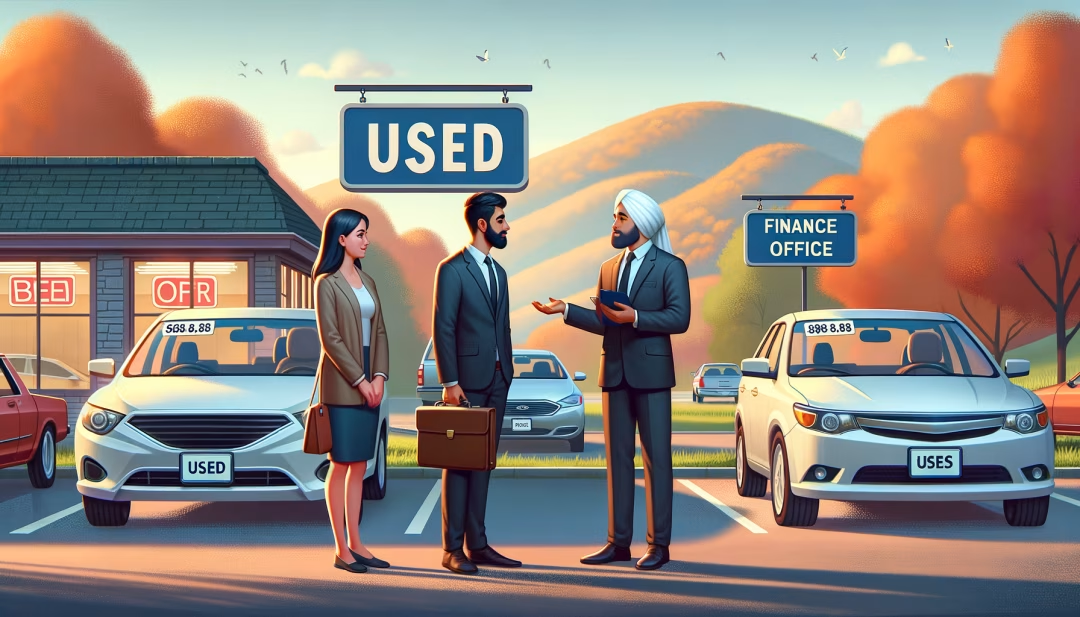
A great first car starts with a budget that covers more than the sticker price. Include your down payment, estimated monthly payment, insurance, fuel, routine maintenance, and Pennsylvania fees and taxes. Washington County uses the statewide 6 percent sales tax. Title, registration, and plate fees also apply. If you plan to keep the car long term, search for models with strong reliability records and affordable parts to keep your cost of ownership steady.
Your credit profile helps determine approval, interest rate, and terms. If your history is thin or you are rebuilding, focus on steady income, a realistic price range, and a down payment. A co signer can help, but weigh the responsibility carefully. Many first time buyers in Washington start by comparing approvals from lenders that work with local dealerships.
Hilly terrain, mixed weather, and winter road treatments in Southwestern Pennsylvania reward vehicles with good tires, solid brakes, and rust protection. Compact sedans and hatchbacks can be great for budget and parking, while crossovers and small SUVs add ground clearance for snow days and township back roads. Check trim level features like remote start, heated seats, and all wheel drive if you commute early or park outdoors.
A focused test drive can save you time and money. Start with a walkaround in good daylight to check tires, body gaps, lenses, and glass. Sit in every seat to confirm headroom and visibility. Pair your phone to test Bluetooth, speakers, and call clarity. On the road, include neighborhood streets, a rough patch, and a highway merge if possible.
Ask to see service records and a vehicle history report when available. For added peace of mind, consider an independent pre purchase inspection from a trusted local shop. In Pennsylvania, vehicles must meet state safety standards, and in many areas emissions testing is required. Washington County includes emissions requirements for certain model years and fuel types. If a vehicle is sold as is, you are responsible for repairs after purchase. Many buyers prefer warranty coverage or a service contract that fits their budget and driving plans.
When you buy a used vehicle in Pennsylvania, you will complete a title transfer, registration, and tag application. You will also provide valid insurance before plates are issued or transferred. Expect sales tax to be collected at the time of purchase. If you are transferring a plate from another Pennsylvania vehicle in your name, bring the plate number and registration card. If you are new to the state, bring your current out of state title and valid identification. Keep your temporary registration and proof of insurance in the vehicle until permanent documents arrive by mail.
If you have a trade, clean the vehicle and bring both sets of keys, maintenance records, and payoff information if you still owe a balance. Compare your research with local market data so you understand wholesale and retail values. Evaluating recent sales and demand in Washington County can help you set fair expectations and speed up the process.
Your lender will require active liability and comprehensive or collision on financed vehicles. Ask your insurer to quote the VIN before you sign so there are no surprises. Consider gap coverage if your down payment is small or if the model has faster depreciation. Cosmetic protection, wheel and tire, and service plans can be helpful if they match your mileage and driving environment.
Avoid stretching beyond your budget because of a feature you rarely use. Make sure to test every power function and take time to review the buyers guide and any inspection results. Skip add ons that do not fit your needs. Read the finance contract completely and ask for plain language explanations of any terms you do not recognize.
Create a simple maintenance plan that fits our seasons. Replace wiper blades before winter, keep washer fluid topped, rotate tires every 5,000 to 7,500 miles, and check alignment after pothole season. Road salt can accelerate corrosion, so wash the underbody in colder months and address paint chips quickly. Plan your annual Pennsylvania safety and emissions inspection a few weeks before the due date shown on your windshield sticker.
You can explore more tips and ownership insights on our blog and learn about our team on about us and bios. For store details, see contact us. Our policies are available at privacy policy and visitor agreement. If you are researching other regions for family or school, browse additional guides such as first time used car buyers Allegheny, PA and local market insights like used car market research Allegheny, PA.